

.jpg)
.jpg)


Why Agentic AI Is Redefining Enterprise Cloud Strategy

For years, enterprise cloud transformation has largely focused on scalability, migration, and cost optimization. Organizations invested heavily in modernizing infrastructure, moving workloads to the cloud, and improving operational flexibility. But as cloud ecosystems continue to grow in complexity, enterprises are beginning to realize that modernization alone is no longer enough.
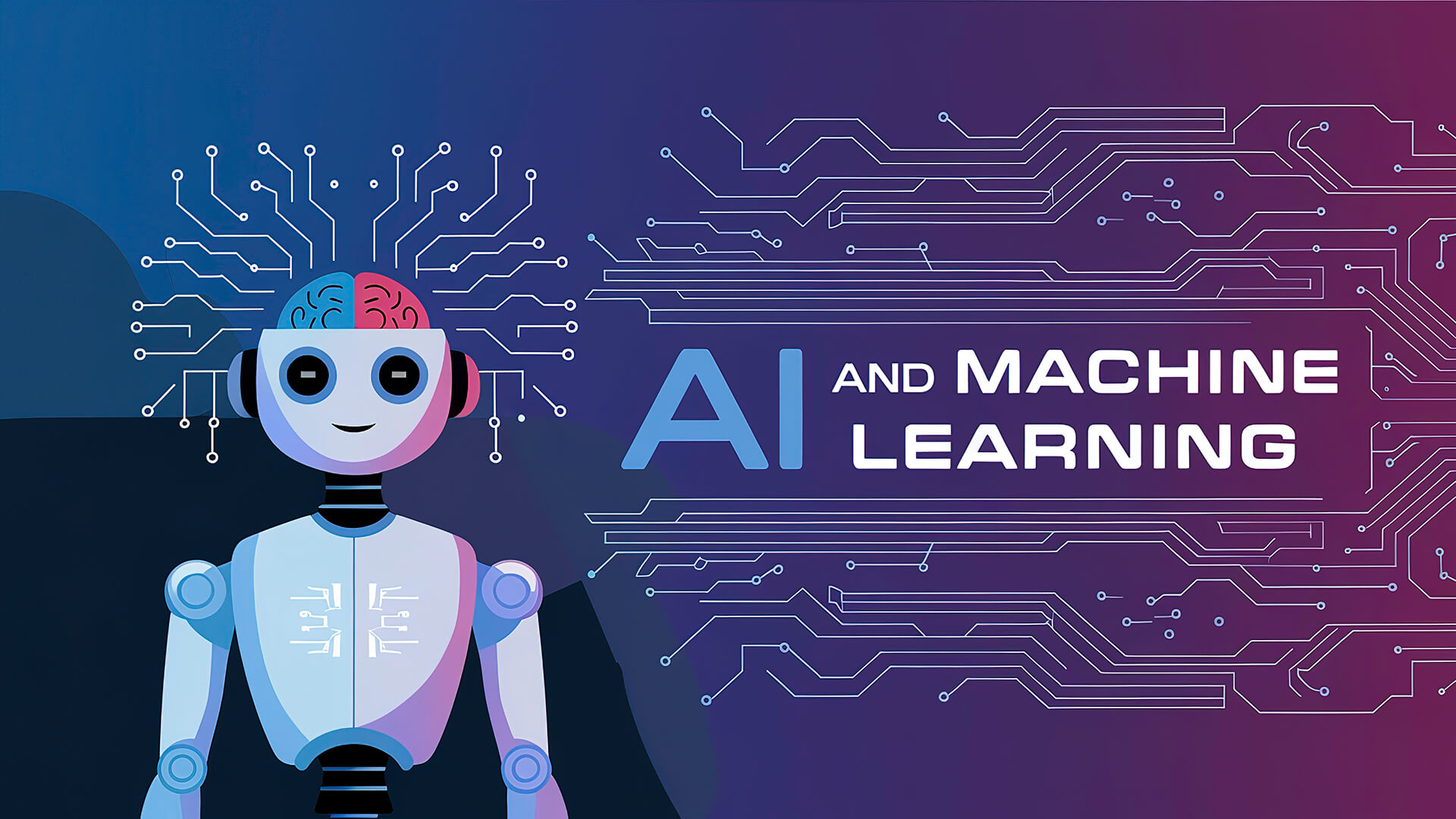
The next phase of cloud evolution is increasingly being shaped by intelligence, orchestration, and autonomous decision-making. At the center of this shift is Agentic AI, a rapidly emerging AI model that is transforming how enterprises manage cloud operations, business processes, and operational environments.
Unlike traditional automation tools that rely on predefined workflows and human intervention, agentic AI systems are designed to reason, adapt, and act autonomously within dynamic environments. They can analyze context, coordinating actions across systems, and continuously optimizing operations with minimal manual oversight.
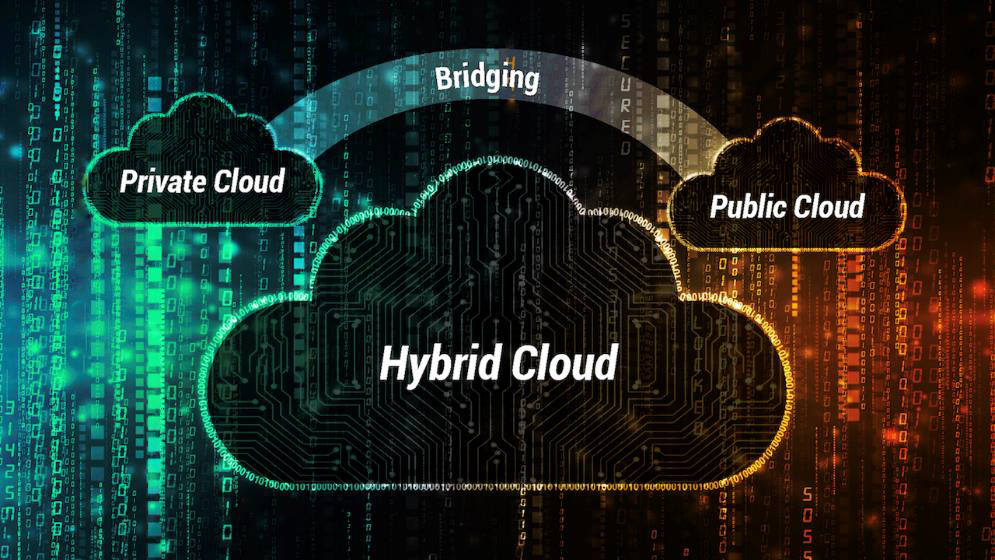
For enterprises managing large-scale hybrid and multi-cloud environments, this introduces a fundamentally different operating model. Cloud is no longer just infrastructure supporting digital transformation. It is becoming an intelligent operational ecosystem where AI agents can proactively manage workloads, optimize resources, improve security operations, and support faster enterprise decision-making.
This transition is happening at a time when organizations are under increasing pressure to operate faster, reduce operational complexity, improve resilience, and extract more value from their technology investments. As businesses continue to scale digital operations, traditional cloud management approaches are struggling to keep pace with the speed and complexity of modern enterprise environments.
The rise of agentic AI reflects a broader industry realization: enterprises do not simply need more automation. They need systems that can intelligently orchestrate operations across increasingly interconnected digital environments.
The Enterprise Shift Toward Intelligent Cloud Operations
Many organizations today still operate cloud environments reactively. IT teams spend significant time monitoring systems, managing incidents, responding to performance issues, and optimizing costs manually across fragmented tools and environments.
As cloud ecosystems expand across public cloud, private cloud, edge environments, and SaaS platforms, operational visibility becomes harder to maintain. At the same time, cybersecurity risks, compliance requirements, and operational dependencies continue to grow.
This is where agentic AI is beginning to reshape enterprise cloud operations. Instead of simply automating repetitive tasks, agentic systems introduce contextual intelligence into operational workflows. AI agents can identify anomalies, coordinate remediation processes, optimize workloads dynamically, and continuously adapt based on operational patterns and business priorities.
The shift is significant because it changes the role of AI within the enterprise. AI is no longer limited to generating content or assisting users through copilots. It is increasingly becoming part of the operational decision-making layer that drives enterprise infrastructure and business processes.
In many ways, organizations are moving from cloud-enabled operations toward AI-orchestrated operational ecosystems. This evolution has the potential to fundamentally change how enterprises approach infrastructure management, operational resilience, and service delivery over the next few years.
Why Agentic AI Matters Beyond IT Operations
What makes agentic AI particularly relevant for business leaders is that its impact extends far beyond infrastructure management.
The operational complexity facing enterprises today is no longer confined to IT departments. Organizations are navigating rising operational costs, fragmented workflows, cybersecurity pressures, compliance challenges, and increasing expectations around agility and customer experience. Traditional automation models often struggle to adapt quickly enough to these changing demands.
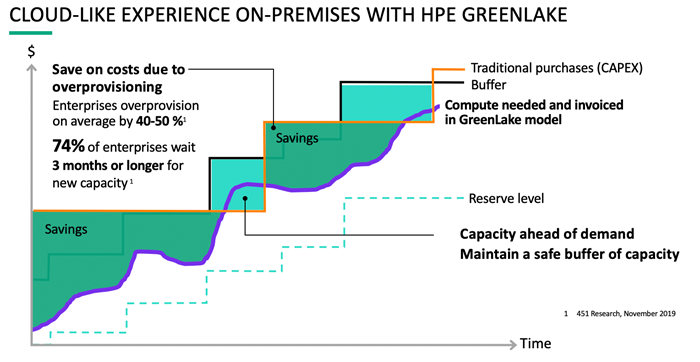
Agentic AI introduces the possibility of more adaptive and intelligent operations across the enterprise. In cloud environments, this could mean systems autonomously scaling workloads based on real-time demand patterns, optimizing cloud consumption to support FinOps initiatives, identifying operational bottlenecks before they impact business continuity, or proactively mitigating cybersecurity risks through intelligent orchestration.
For business leaders, the value lies not simply in automation, but in operational intelligence. Enterprises are increasingly looking for ways to create more connected and responsive operational environments that can support faster decisions, improve efficiency, and reduce friction across functions.
This is one of the reasons why AI conversations are rapidly shifting from experimentation toward execution. Organizations are no longer asking whether AI can generate outputs. They are asking how AI can operate within enterprise environments securely, responsibly, and at scale.
Governance Will Define the Success of Agentic AI
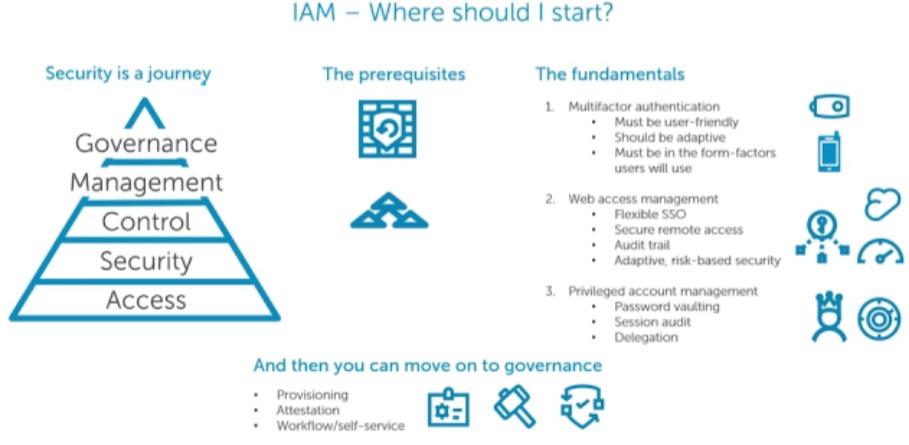
As organizations move toward more autonomous cloud operations, governance is becoming one of the most critical enterprise considerations.
The challenge with agentic AI is not simply enabling autonomous actions. It is ensuring those actions remain aligned with business rules, compliance requirements, security policies, and operational priorities. Without structured orchestration and governance, enterprises risk introducing fragmented AI operations, inconsistent decision-making, rising operational costs, and increased security exposure.
This is why many organizations are beginning to rethink cloud modernization strategies through the lens of governance and operational control. Enterprises are increasingly investing in AI governance frameworks, policy-driven automation, observability platforms, and secure orchestration layers that allow AI systems to operate within clearly defined boundaries.
The future of enterprise cloud operations is unlikely to be fully autonomous in the way many early AI narratives suggest. Instead, the most successful organizations will be those that build intelligently orchestrated operating models where AI enhances operational agility while humans maintain strategic oversight, governance, and accountability.
This balance between autonomy and control will ultimately determine how effectively organizations can scale agentic AI across enterprise environments.
Agentic AI Is Reshaping the Future of Cloud Modernization
Cloud modernization strategies are also evolving in response to this shift.
Previously, modernization initiatives were largely centered around infrastructure migration and scalability. Today, enterprises are increasingly modernizing cloud environments to support intelligent operations, real-time observability, AI-enabled workflows, and adaptive service delivery.
This changes how organizations think about cloud architecture itself. Cloud environments are no longer being designed solely for application hosting or workload scalability. They are increasingly being designed to support continuous intelligence, operational orchestration, and AI-driven decision-making.
As organizations adopt AI-driven operational models, the ability to integrate data, workflows, applications, and infrastructure into connected operational ecosystems will become increasingly important. Enterprises that continue to operate fragmented systems and disconnected operational processes may struggle to fully realize the value of AI-enabled operations.
This is where cloud modernization and AI strategy begin to converge. The organizations gaining the most value from AI are not treating it as an isolated technology initiative. They are embedding intelligence directly into enterprise operations, cloud environments, and business workflows.
Building the Foundation for Intelligent Enterprise Operations
The shift toward agentic AI is not simply another technology trend. It represents a broader transformation in how enterprises will operate in the coming years.
Organizations are moving toward a future where cloud environments become more adaptive, operations become more predictive, and decision-making becomes increasingly intelligent and connected. The enterprises that succeed in this transition will be those that focus not only on deploying AI capabilities but also on building secure, scalable, and governed operational foundations that allow AI to operate effectively across the business.
As this transformation accelerates, enterprises will need partners that understand both the operational realities of cloud modernization and the strategic implications of AI-driven operations.
Intertec Systems helps organizations modernize cloud ecosystems through intelligent automation, cloud transformation, cybersecurity, managed services, and operational governance. By combining cloud expertise with AI-enabled operational intelligence, Intertec enables enterprises to build connected, resilient, and future-ready digital environments capable of supporting the next generation of intelligent enterprise operations.








































%20(1).jpg)
.jpg)


.jpg)












.jpg)