

.jpg)
.jpg)


The Impact of Artificial Intelligence on Identity Theft and Access Protection

In the digital economy, data is no longer just a byproduct of business—it is the currency of competitive advantage. From customer insights to intellectual property, enterprises are built on the value of the information they hold. Yet this value comes with unprecedented risk. As Gartner highlights, insider-driven incidents—both malicious and accidental—account for a significant share of modern data breaches. The message is clear: organizations must shift their security posture from simply protecting the perimeter to safeguarding the data itself.
The Hidden Threat: Insider Risk
The challenge lies not only in stopping external hackers but also in mitigating threats that originate from within. Employees, contractors, consultants, and even trusted partners often have direct access to critical systems and information. Whether through negligence, misconfigured systems, or deliberate actions, this insider access can lead to confidential data leaving the organization and causing financial loss, reputational damage, and regulatory consequences. At the same time, global frameworks such as GDPR and CCPA have raised the stakes by imposing strict requirements for protecting the confidentiality and integrity of information.
Understanding Data Leakage Prevention
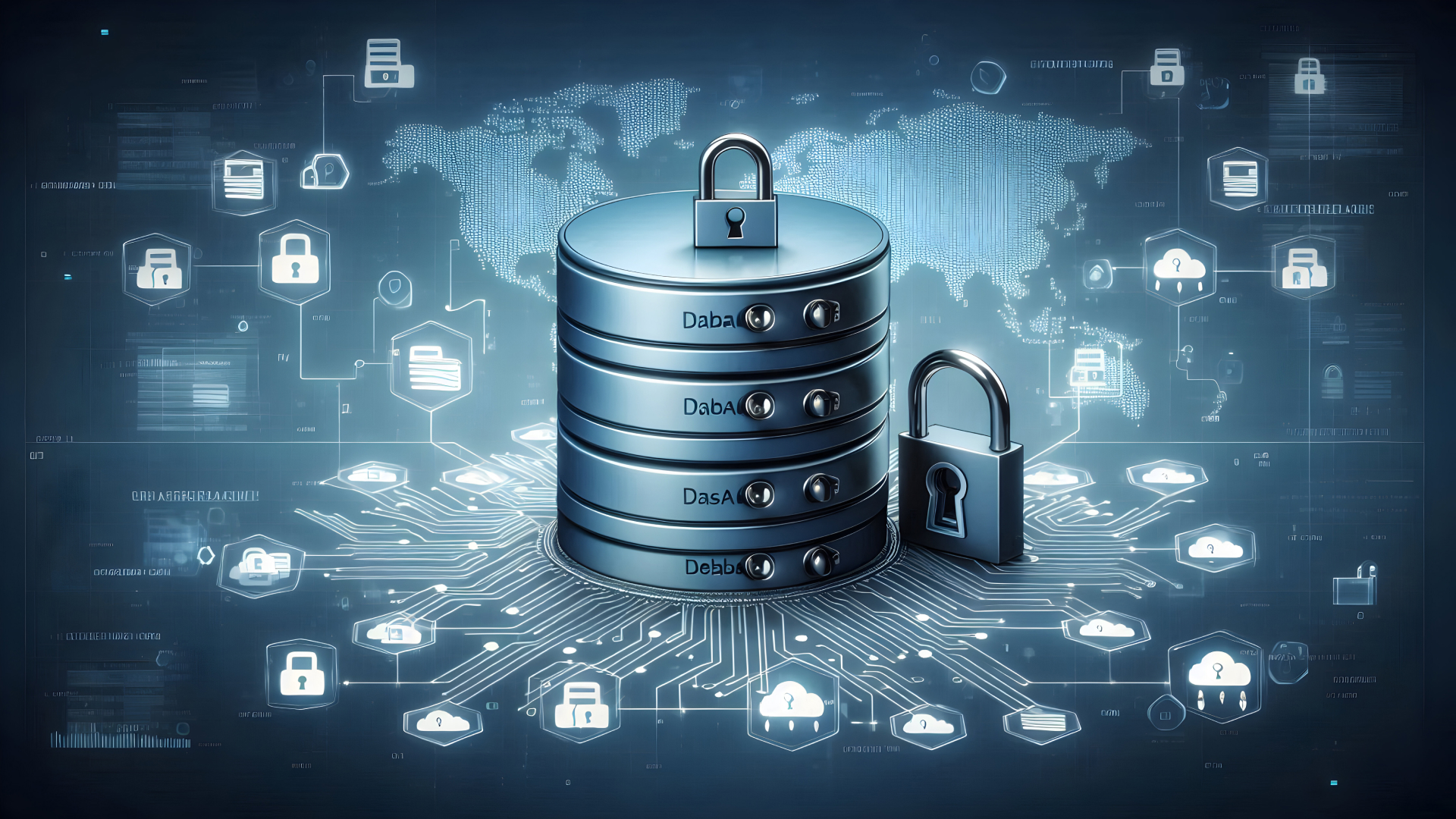
Data Leakage Prevention (DLP) solutions are designed to detect and prevent the unauthorized use and transmission of sensitive information, wherever it resides. Effective DLP programs address three critical areas: data in use on endpoints, data in motion across networks, and data at rest in databases, file repositories, or cloud storage. By monitoring these channels, organizations gain visibility into how information is accessed, who is using it, and where it is going.
However, technology alone is not enough. As cybersecurity expert Bruce Schneier notes, “Security is a process, not a product.” A successful DLP program combines technology with robust governance, clearly defined processes, and a culture of accountability.
Assessing Your Data Protection Posture
Before implementing any technology, organizations need to understand what data they have, how valuable it is, regulatory obligations, and where vulnerabilities exist. A comprehensive DLP assessment helps leaders take stock of the data landscape, identify risks, and prioritize mitigation strategies that align with business objectives.
Building a Holistic DLP Program
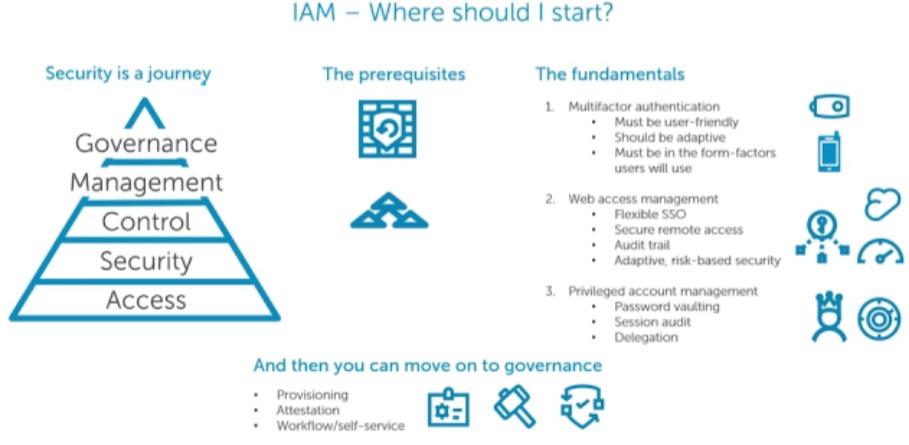
A truly effective DLP program extends beyond technology. Top-down governance ensures roles and responsibilities are clear, while IT processes are adapted to close gaps uncovered in assessments. Compliance awareness programs foster a culture where data protection becomes everyone’s responsibility. Technology then becomes the enabler, providing monitoring, prevention, and response mechanisms that make the program actionable and sustainable.
Enterprises that adopt a comprehensive DLP strategy gain more than just regulatory compliance. They can detect anomalous behavior before it leads to leaks, safeguard intellectual property, and protect their brand reputation. In essence, a strong DLP program allows organizations to operate confidently in an era of hybrid work, cloud collaboration, and digital transformation.
How Intertec Helps Enterprises Protect Their Data
At Intertec, we understand that every organization’s data protection journey is unique. Our approach begins with a thorough gap analysis to identify vulnerabilities and inform strategy. We collaborate with senior management to design practical, enforceable frameworks and policies. From developing data classification programs and compliance awareness campaigns to implementing tactical controls and long-term strategic roadmaps, Intertec combines governance, process enhancement, and technology to deliver end-to-end protection. Through our partnerships with leading cybersecurity providers, we help organizations mitigate risk, ensure regulatory compliance, and safeguard their most valuable digital assets.
Protecting data is no longer optional—it is essential for survival, growth, and trust in the digital age. Enterprises that act decisively today will secure their competitive advantage and resilience for tomorrow.






































%20(1).jpg)
.jpg)


.jpg)










.jpg)